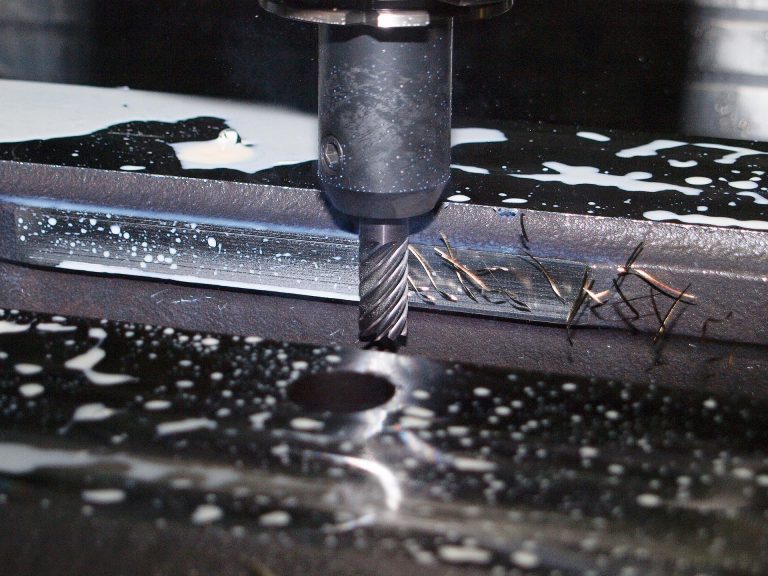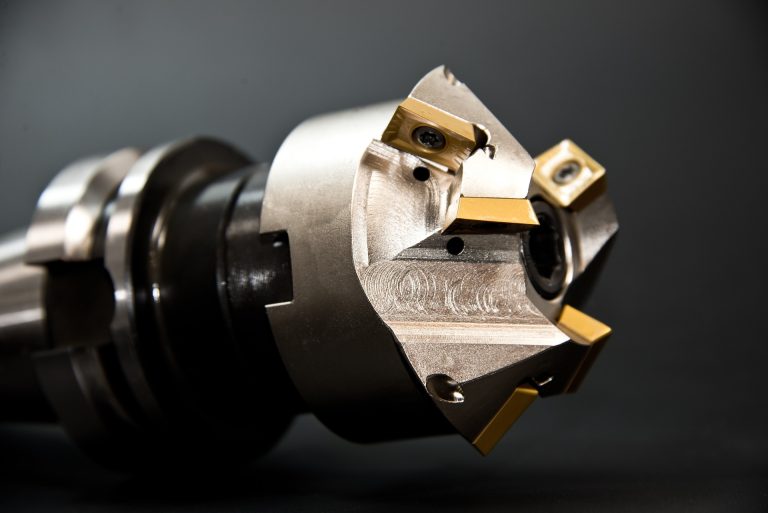
A fine tooth prayer bead cutter is designed for stable, repeatable forming of wooden beads on a lathe. Its closely spaced cutting teeth distribute the cutting load, helping craftsmen produce smooth round profiles with less tearing, vibration, and manual polishing.
Fine Tooth Prayer Bead Cutter for Lathe Turning
Unlike a general turning tool, this specialized cutter uses a shaped cutting profile to form both sides of a bead during controlled feeding. The alloy or carbide cutting edge is suitable for repeated work on sandalwood, ebony, rosewood, boxwood, and other dense materials. Correct alignment and a rigid tool rest are important for an even diameter and clean surface.
The fine-tooth design creates multiple small cutting contacts instead of concentrating the full load on one edge. This can improve stability, especially when machining hard or brittle wood. It also helps reduce edge chipping and deep tool marks, allowing the operator to spend less time sanding after turning.
Key Features and Benefits
- Profiled cutting geometry supports fast, consistent round bead forming.
- Fine teeth distribute cutting pressure for a smoother surface.
- Wear-resistant cutting material supports repeated production.
- Suitable for craft studios, woodworking shops, and batch bead production.
- Reduced finishing work can improve overall production efficiency.
Suitable Materials and Applications
A fine tooth prayer bead cutter can be used for rosary beads, bracelets, necklaces, decorative wooden components, and small craft accessories. Dense hardwood often produces the best defined profile, but every material should be tested because grain direction, moisture, inclusions, and hardness affect the cut. Use sound blanks without cracks and keep the workpiece securely supported.
How to Use the Cutter Safely
Confirm that the cutter size matches the planned bead diameter and that the lathe spindle, chuck, and workpiece run concentrically. Set the cutting edge at the correct center height, begin with a conservative spindle speed, and feed gradually. Avoid forcing the tool because excessive pressure can create heat, vibration, or an uneven bead.
Clear chips frequently and inspect the cutting teeth before each batch. A clean, sharp edge produces a better finish and reduces load on the lathe. Wear eye protection, keep loose clothing away from rotating parts, and follow the lathe manufacturer’s operating instructions. Stop the machine before measuring the bead or adjusting the tool rest.
Setup Guide for Consistent Bead Dimensions
Begin by preparing a straight, defect-free wooden blank with enough material for secure clamping. Mark the planned bead positions and verify that the centerline runs true. When the blank rotates without visible wobble, bring the tool rest close to the workpiece and lock every adjustment. A rigid starting setup is essential because even small movement can change the final diameter or leave an uneven profile.
Control Speed, Feed, and Cutting Depth
There is no single spindle speed for every wood species or bead size. A large blank has a higher surface speed than a small blank at the same spindle setting, while dense hardwood may require a more conservative feed. Start slowly, observe chip formation, and increase speed only when the machine remains stable. Feed the fine tooth prayer bead cutter evenly instead of pushing it abruptly into the workpiece. Several controlled passes are safer and usually produce a cleaner result than one heavy pass.
Listen for changes in sound and watch the cut surface. Chatter marks, darkened wood, powder instead of clean chips, or excessive resistance can indicate a dull edge, poor support, incorrect center height, or unsuitable parameters. Stop the lathe before correcting the setup. Continuing with vibration can damage the blank and accelerate wear on both the cutter and machine components.
Check Quality Between Production Batches
For batch work, compare sample beads with a caliper or an approved master piece. Check overall diameter, hole alignment, symmetry, and surface finish. Separate blanks by wood species and moisture condition so parameter changes are controlled. A simple inspection record helps identify when the cutting edge begins to wear and prevents a full batch from drifting outside the required dimensions.
Final sanding should remove only minor tool marks, not correct an inaccurate shape. When the cutter profile, center height, and feed motion are properly matched, the bead should leave the lathe close to its finished form. This makes polishing more predictable and supports consistent color and texture after wax, oil, or another suitable wood finish is applied.
Maintenance and Production Tips
After each production run, remove resin and fine dust from the cutter without damaging the teeth. Store the tool in a dry holder so cutting edges cannot contact other metal parts. Record the wood species, spindle speed, feed method, and finished surface quality for repeat orders. Consistent setup records make it easier to reproduce bead dimensions across operators and batches. If cutting resistance increases or the surface becomes rough, inspect the edge before changing machine parameters. Timely professional sharpening or replacement protects the workpiece and maintains predictable cycle times.
Prayer Bead Cutter Supplier in Guangzhou, Guangdong
JEEFOO supplies fine tooth prayer bead cutters from Guangzhou, Guangdong, China for distributors, woodworking factories, craft workshops, and international buyers. Customers can confirm cutter diameter, shank dimensions, compatible materials, and production requirements before ordering. Browse our woodworking and CNC cutting tools for additional bead-forming and engraving solutions.

Frequently Asked Questions
What is the advantage of a fine-tooth design?
Multiple teeth share the cutting load and can reduce aggressive biting into the wood. With correct setup, this creates a smoother bead surface and more stable cutting action.
Which woods can be used?
The cutter can process many hardwoods used for beads, including ebony, rosewood, sandalwood, and boxwood. Always test a sample because grain and hardness vary between blanks.
How do I choose the correct diameter?
Select the cutter according to the finished bead diameter and confirm that the shank fits the intended holder. Allow for a small finishing margin when the material or process requires sanding. For general turning background, see this woodturning overview.