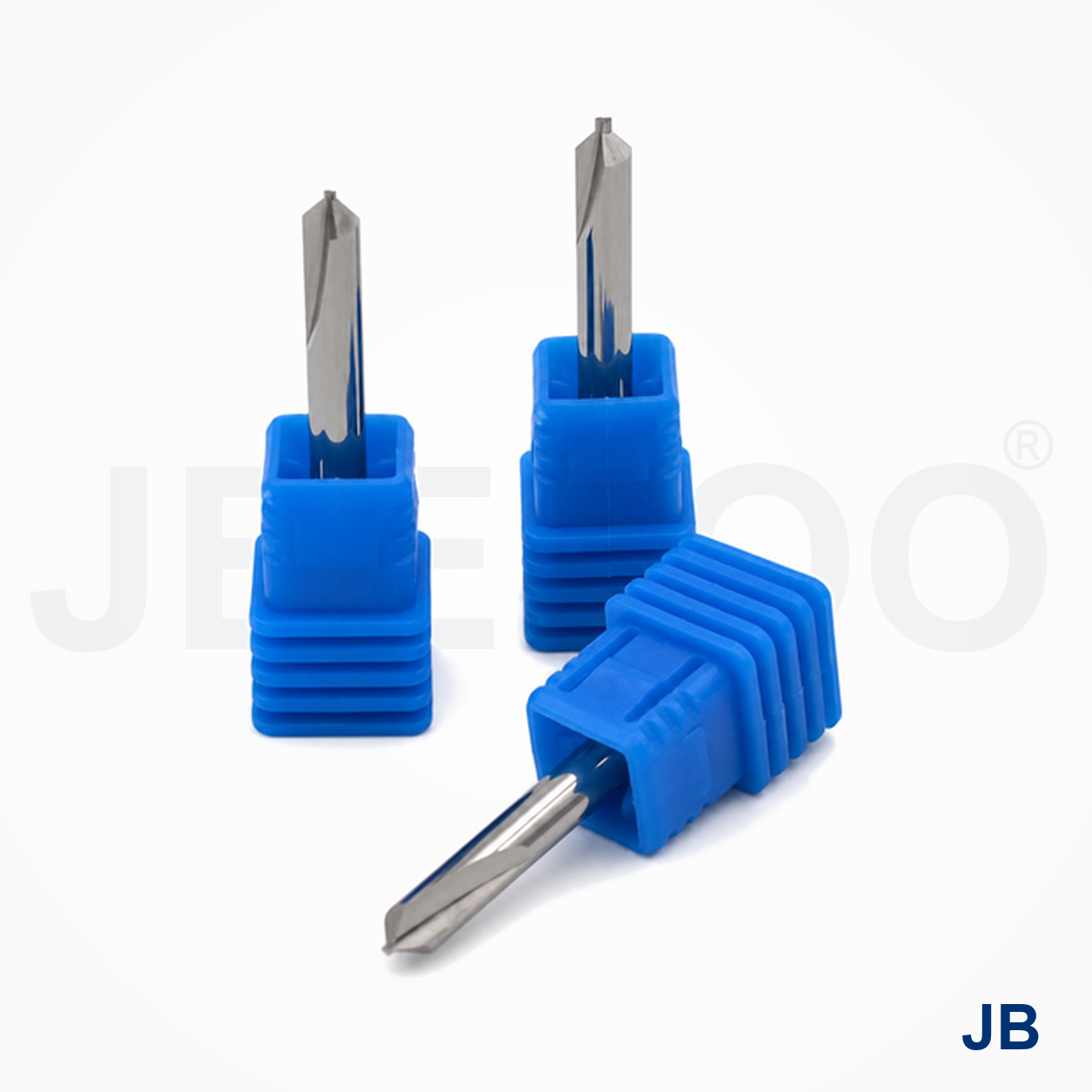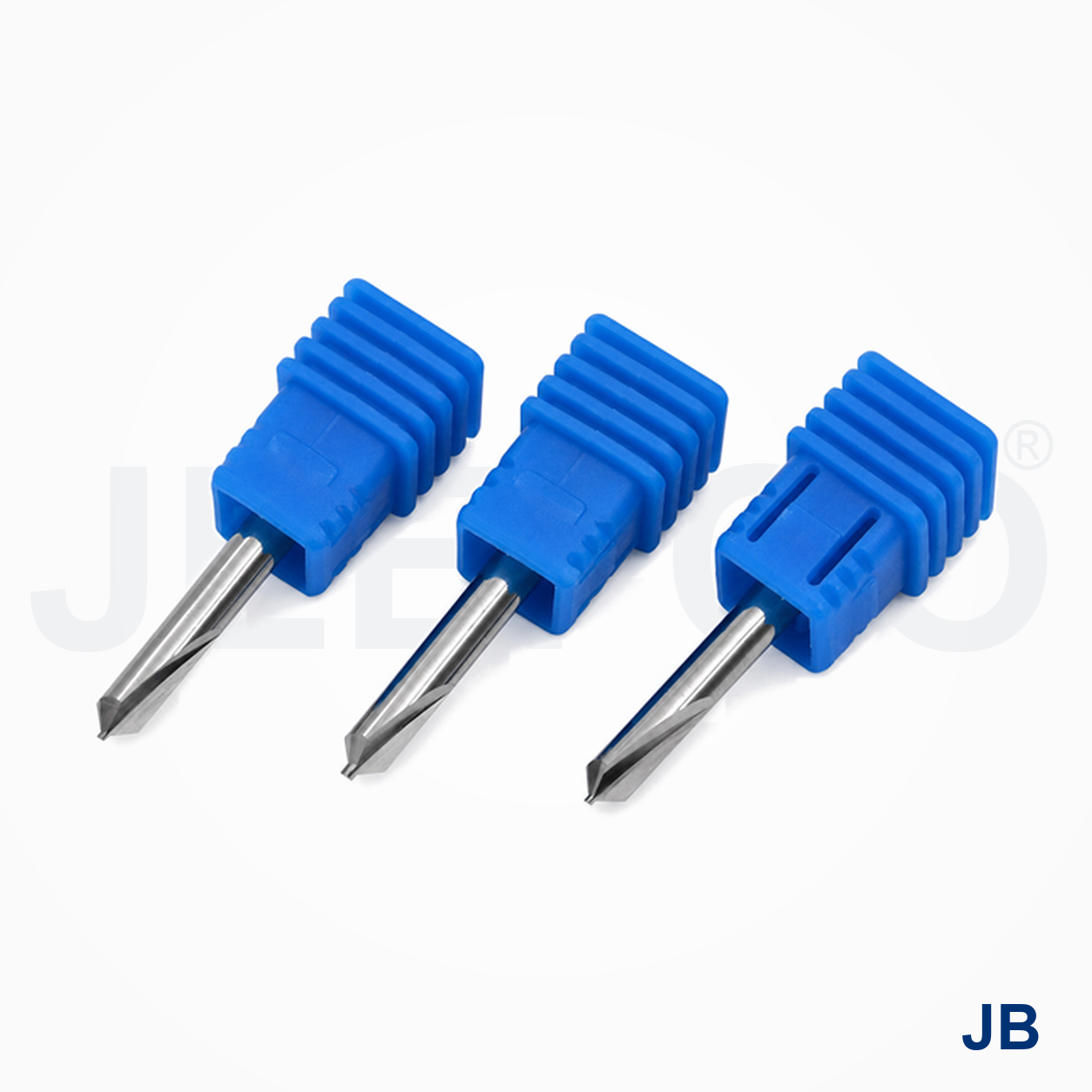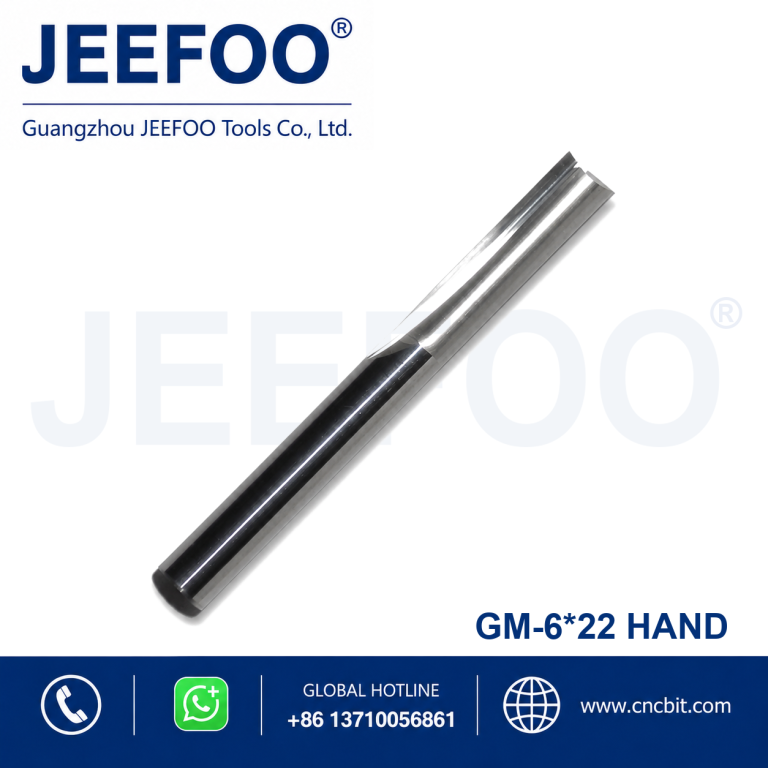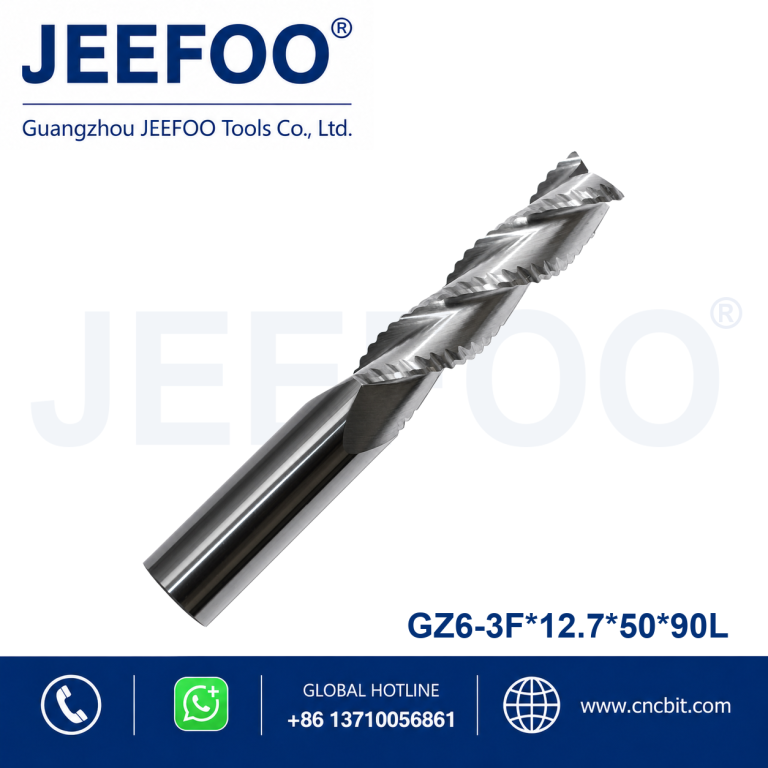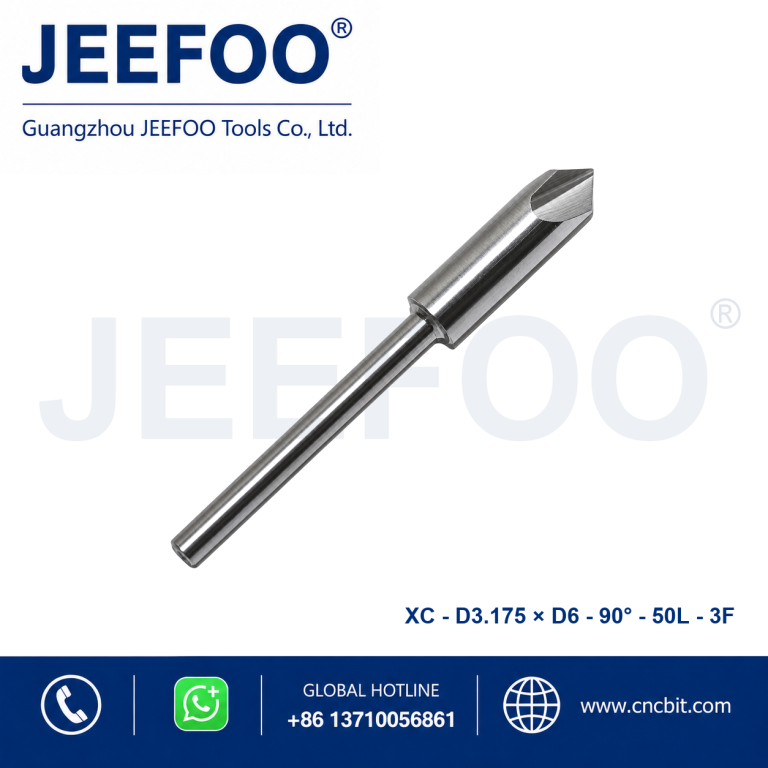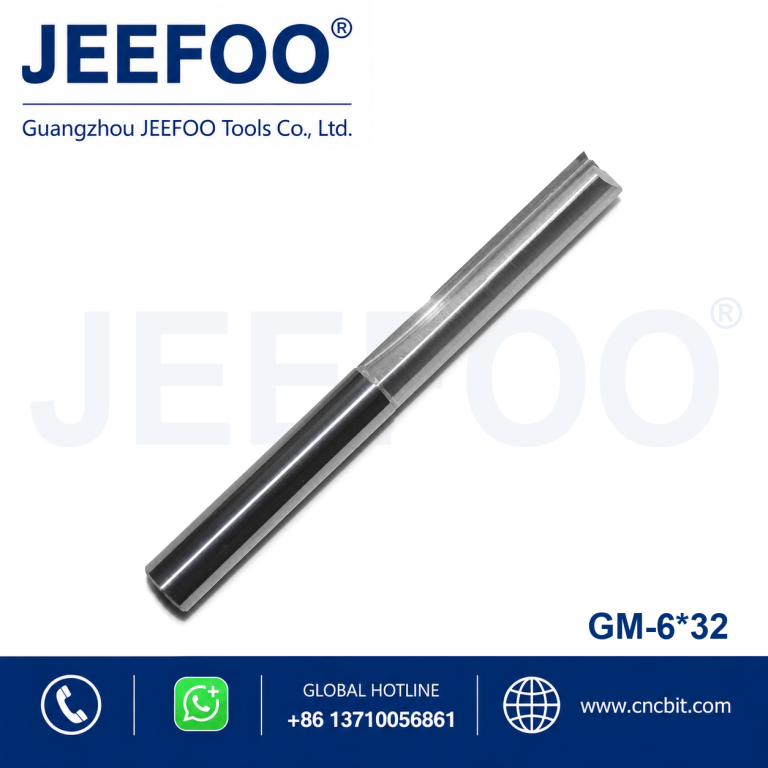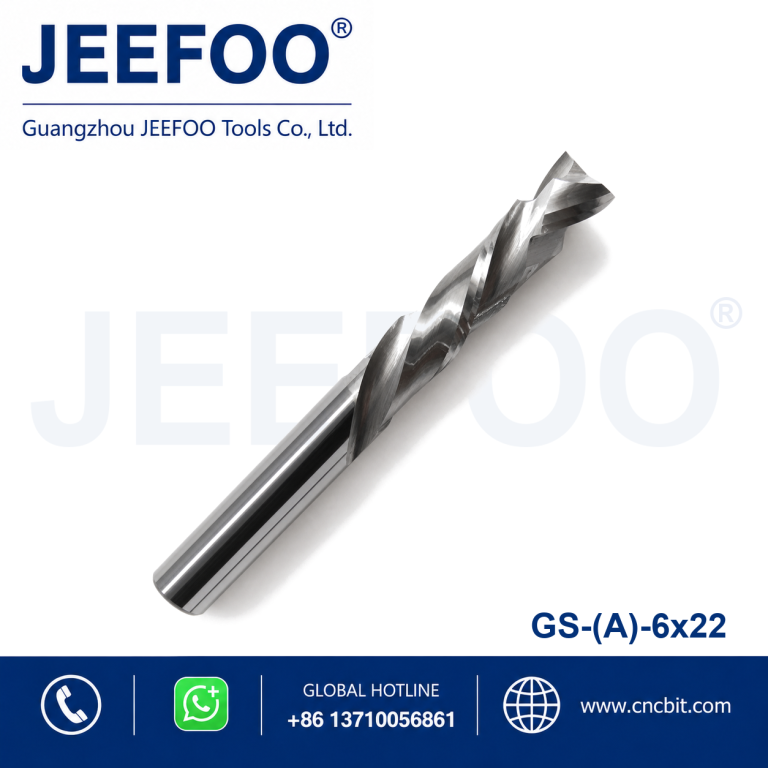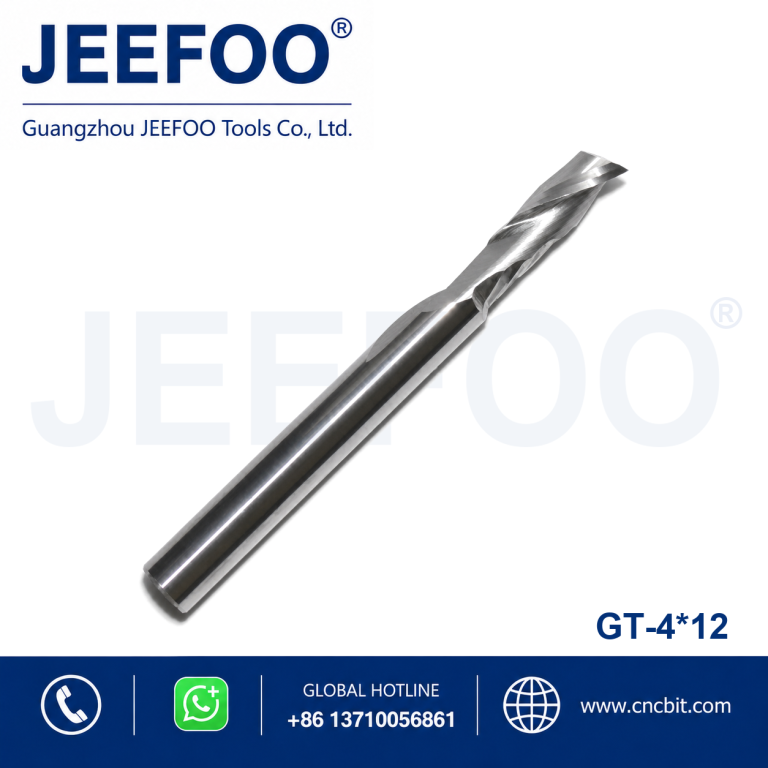
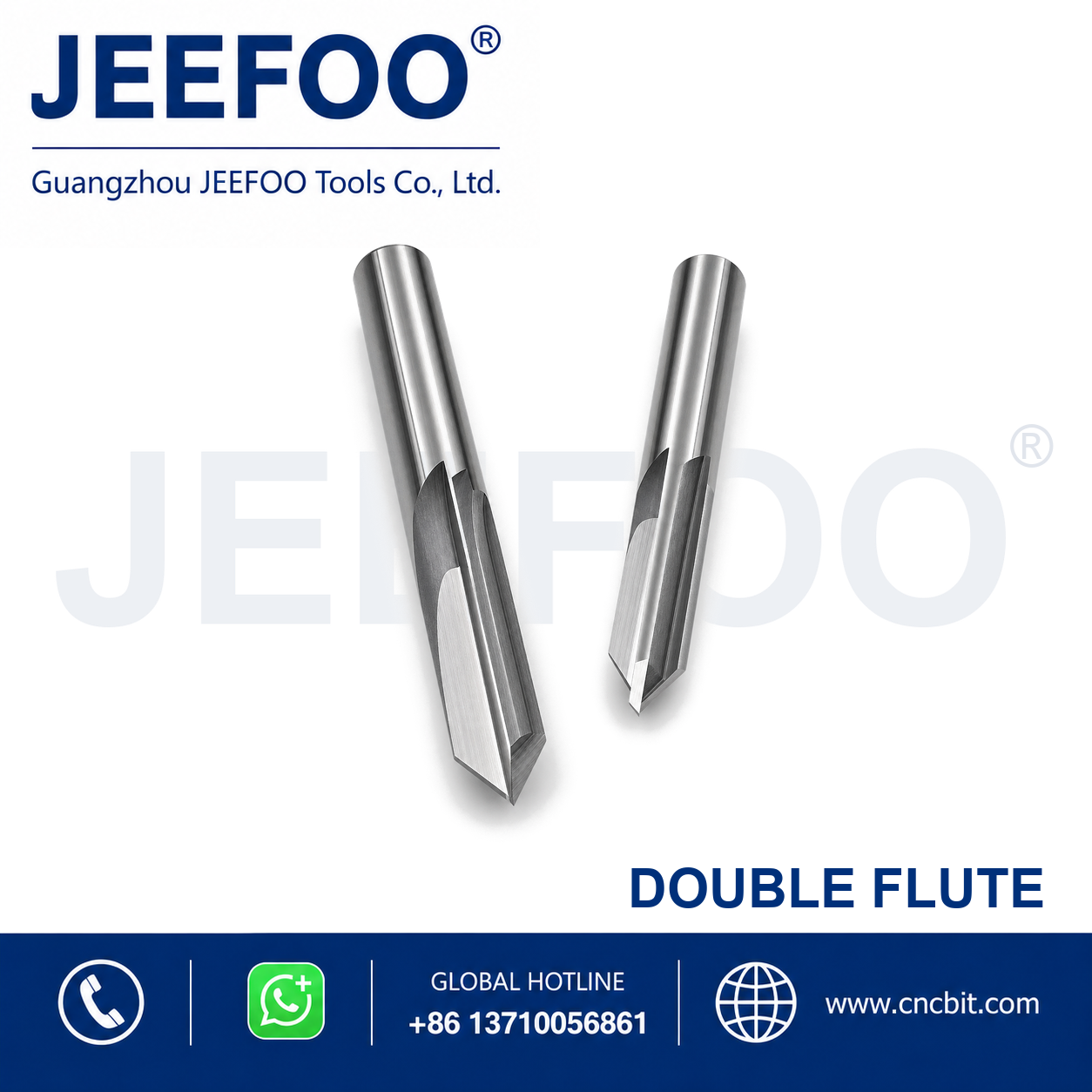
45° two straight flute cutter for No Scratch Cutting Acrylic Panel
The 45° two straight flute cutter from JEEFOO in Guangzhou, China is designed for smooth CNC routing of no scratch cutting acrylic panel, channel letters, display parts and sign components. Its 45-degree cutting profile with application-matched shank and cutting length support detailed profiles, grooves and edge finishing in LCD lenses, acrylic panels, ABS parts and compatible plastics.
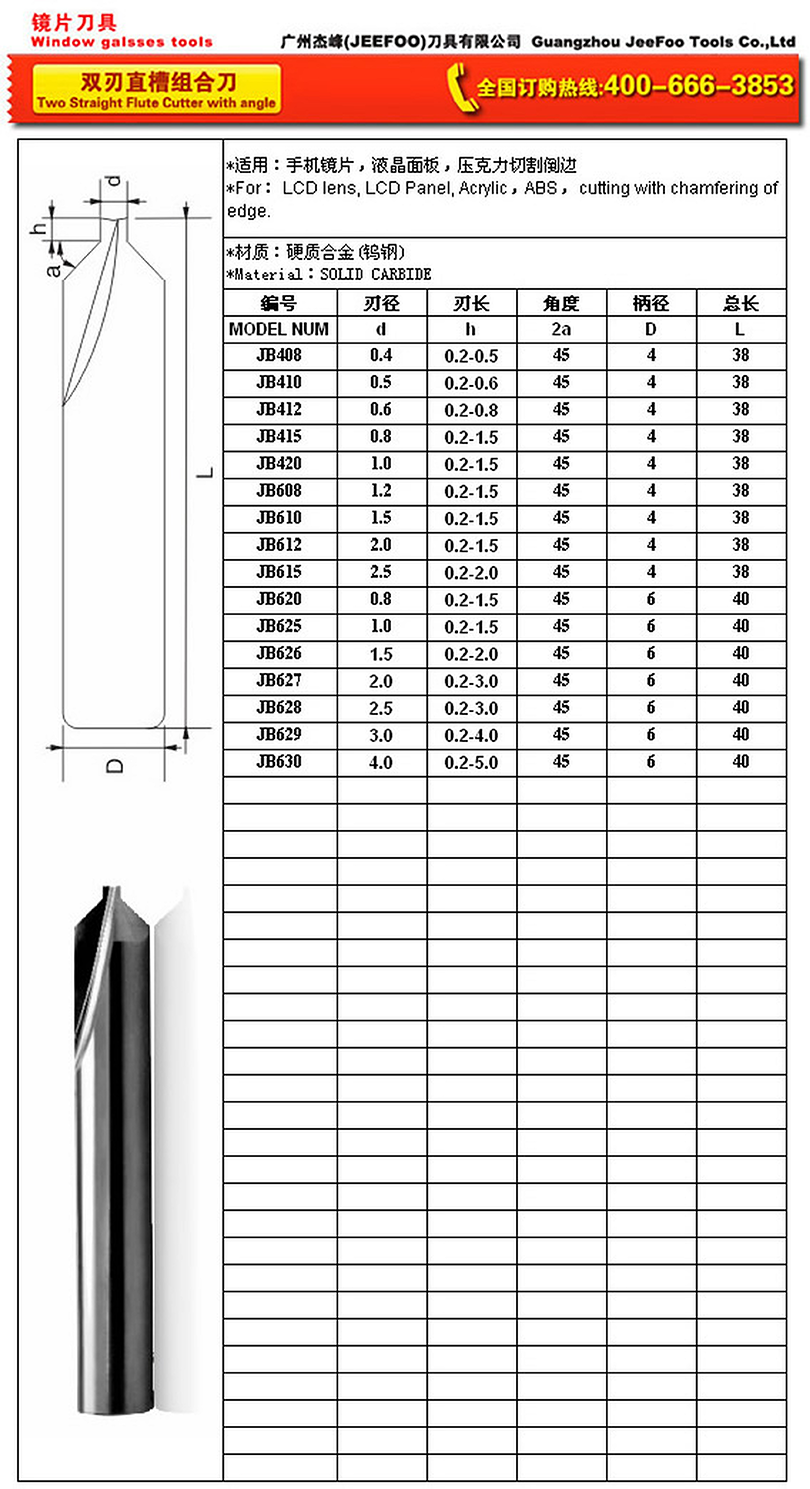
- Angle: 45 degrees
- Cutting length: select for material thickness
- Geometry: two straight flutes with angled edge
- Grade: precision-ground solid carbide
- Main use: chamfers, angled edges and controlled profile cutting
How an 45° two straight flute cutter Produces High-Gloss Edges
An 45° two straight flute cutter for CNC mini-word and sign making is designed to create clean grooves, crisp lettering and bright machined surfaces in LCD lens, acrylic, ABS or compatible plastic. AA-grade high-gloss work depends on a sharp cutting edge, low runout, controlled chip load and effective chip evacuation. The cutter should remove a consistent chip instead of rubbing the plastic, because rubbing generates heat and can create whitening, melting or welded chips.
Applications in Acrylic Sign Making
This tool style supports CNC routing of small channel letters, mini-word profiles, decorative grooves, logos and detailed sign components. The final result also depends on acrylic grade, sheet thickness, machine rigidity, holder accuracy and the programmed toolpath. Confirm the cutter diameter, flute length, shank and overall reach against the drawing before machining, especially when narrow features or deep walls limit clearance.
For a polished appearance, leave a controlled and even amount of stock for the finishing pass. Avoid forcing a worn edge through the final surface. A light, continuous finishing toolpath usually gives more predictable results than repeated stop-start contact. Use a lead-in and lead-out that keeps dwell marks away from the visible face of the sign.
CNC Setup and Chip Evacuation
Clean the collet, nut and spindle taper before installing the 45° two straight flute cutter. Clamp only the straight shank, keep overhang as short as the required reach permits and verify spindle direction. Secure the acrylic sheet on a flat support so it cannot lift or vibrate. Vacuum tables, fixtures and sacrificial boards should be checked before the finishing pass.
Use clean compressed air or another machine-approved chip-control method to move chips away from the cutting zone. Recut acrylic chips can scratch the surface and raise temperature. Start with parameters recommended by the cutter, machine and material suppliers, then make small adjustments while observing chip form, sound and edge quality. Do not copy a setting from a different tool diameter without recalculating the actual cutting conditions.
Quality Control for Mini-Word Machining
Inspect the first component under strong, neutral lighting. Look for haze, burrs, chatter lines, melted particles and dimensional drift. If the finish changes, check tool runout, edge condition, sheet support and chip removal before changing several parameters at once. Record the proven holder, gauge length, spindle speed, feed, pass depth and finishing allowance for repeat orders.
Replace or professionally service the cutter when wear begins to round detailed corners or reduce gloss. A damaged tool can create inconsistent lettering even when the CNC program is correct. Stop after any collision and inspect the cutting edge before resuming production. These controls protect both the workpiece and the repeatability expected from AA-grade sign components.
JEEFOO Support from Guangzhou, China
JEEFOO supplies CNC cutting tools from Guangzhou, China for sign makers, distributors and OEM projects. Buyers can review related CNC milling cutter solutions and provide a drawing, acrylic type, machine information and required surface finish when requesting a recommendation. For broader process reference, consult the machine manufacturer and established milling knowledge resources.
Frequently Asked Questions
Why does acrylic turn white during cutting? Common causes include rubbing, excessive heat, a dull edge, poor chip evacuation or unstable workholding. Validate one factor at a time on scrap material.
How can a glossy finish be maintained? Keep the tool sharp, minimize runout, remove chips continuously and use a stable finishing pass with parameters proven on the actual acrylic grade.
A two straight flute cutter supports clean 45-degree chamfers, LCD-lens edges, acrylic panels and ABS components when geometry and depth match the application.
For stable results with a two straight flute cutter, verify low runout, secure the workpiece, use effective chip removal and test spindle speed and feed on scrap.
Product Description
This two straight flute cutter with angle is designed for LCD lenses, acrylic panels, ABS parts and chamfered plastic edges. Size: 45° angle series.
The solid carbide body provides rigidity for accurate CNC machining, while the cutting-edge geometry supports smooth chip removal and a clean, controlled finish. Match the shank, cutting depth, material thickness and angle to the application. Use secure workholding, low runout, suitable spindle speed and conservative feed settings during initial testing.