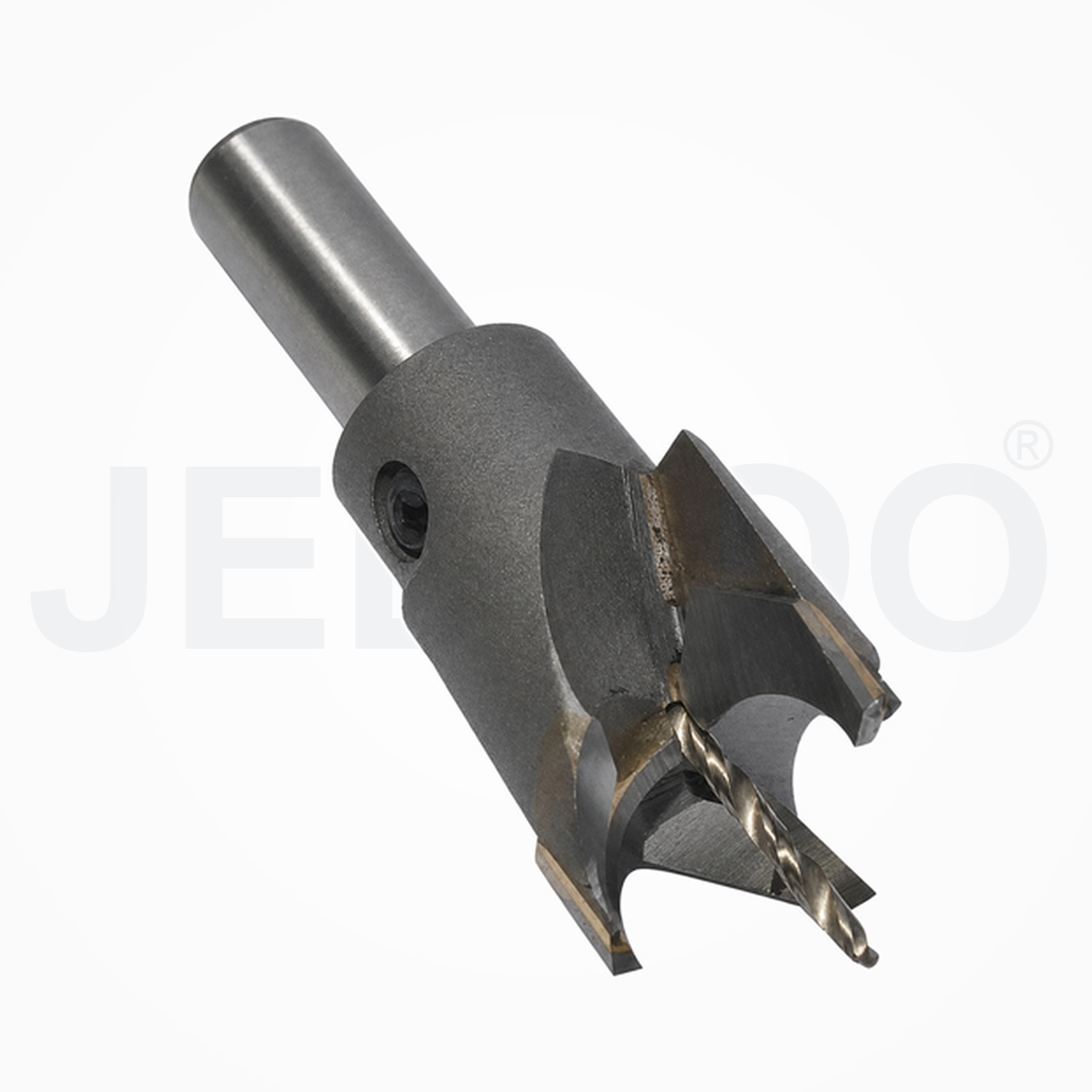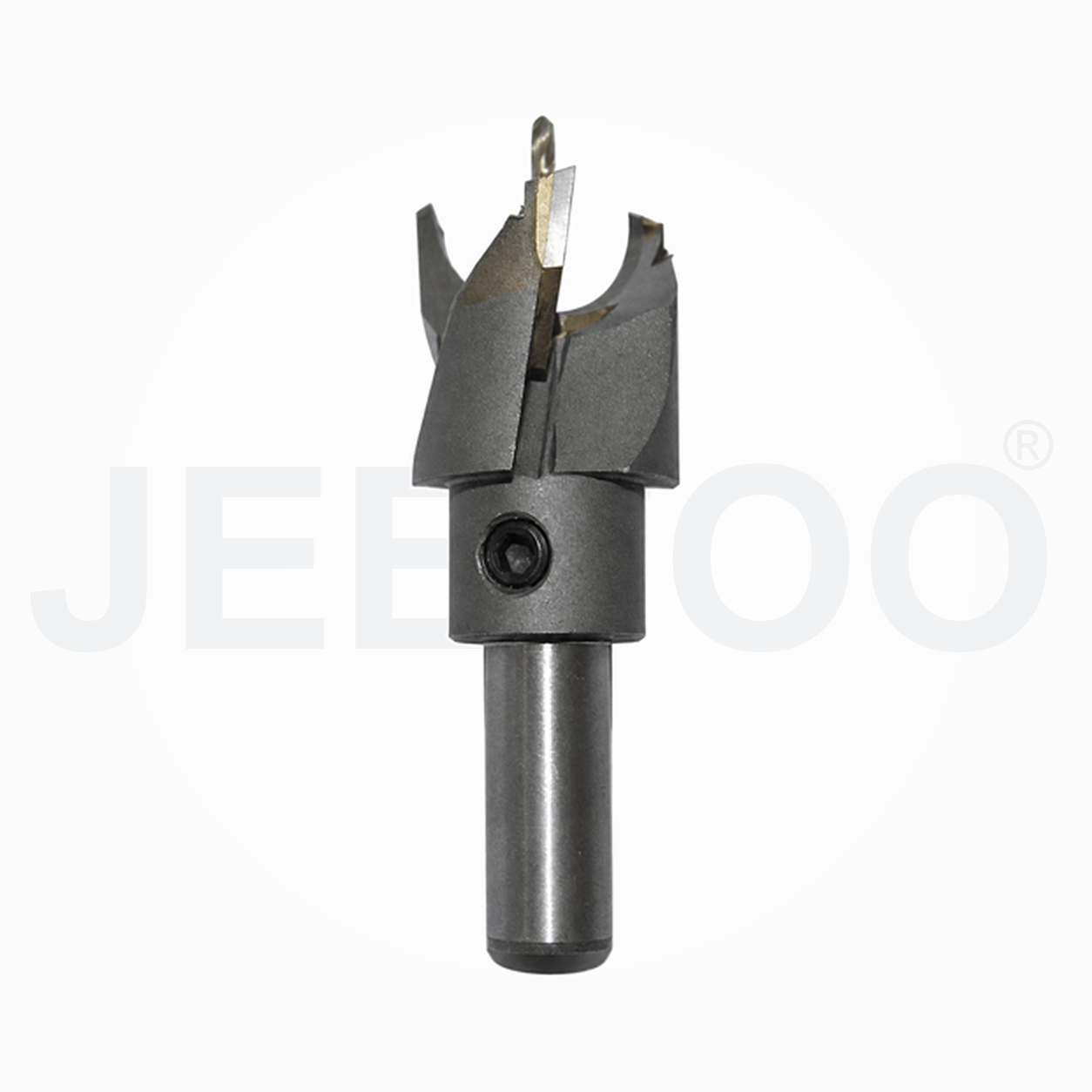
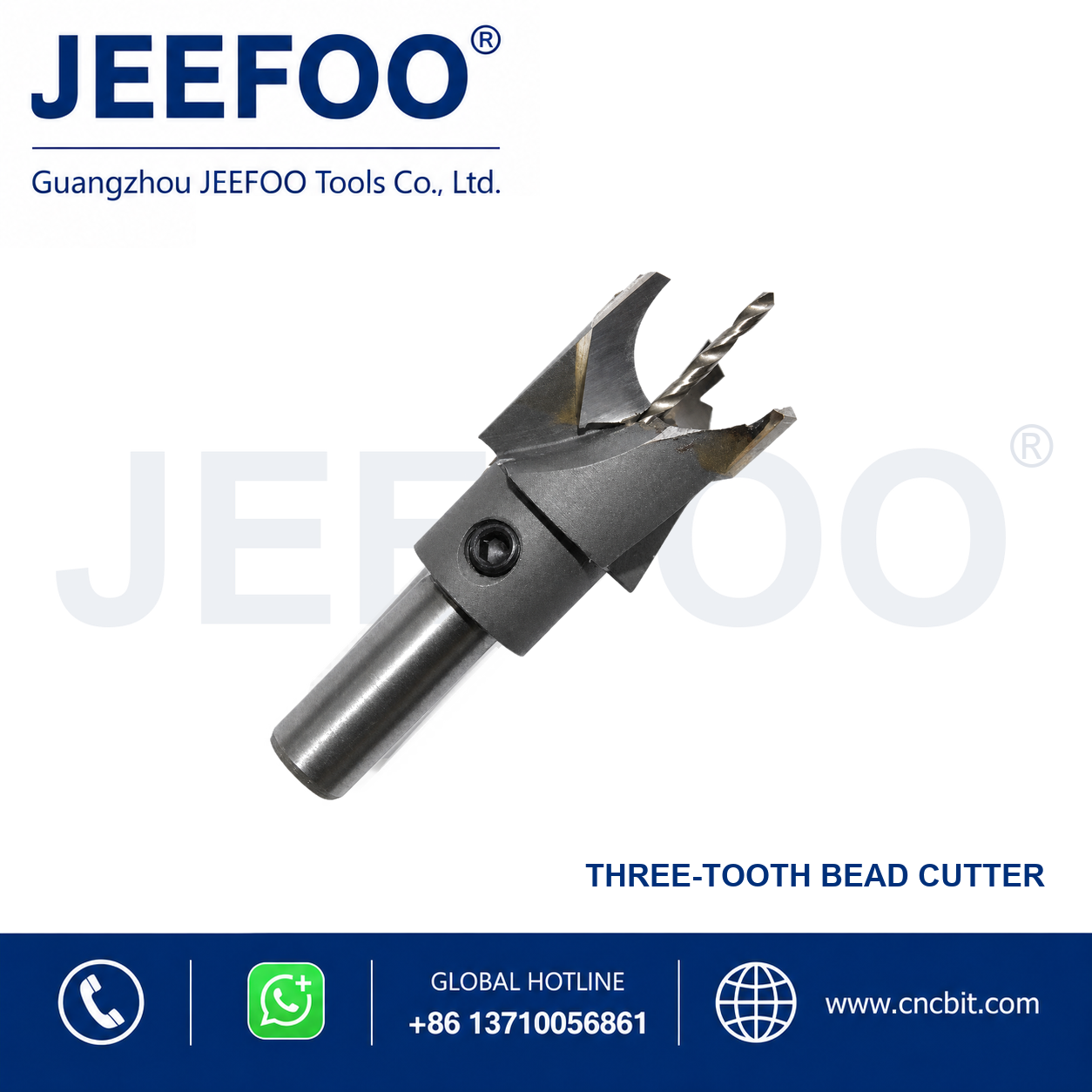
The 3-tooth prayer bead cutter is designed to form round wooden beads on a compatible bench drill or fixed drilling setup. Its three cutting teeth distribute material removal around the profile, helping makers produce consistent beads with controlled feed and less freehand shaping.
3-Tooth Prayer Bead Cutter Features
The balanced three-tooth structure supports efficient cutting when the workpiece is centered and securely held. A dedicated bead profile can reproduce the same round form across multiple pieces, making the tool useful for craft studios, jewelry makers, and small production workshops.
- Three cutting teeth: distribute the load for stable bead shaping.
- Round bead profile: supports prayer beads, bracelets, necklaces, and ornaments.
- Repeatable output: helps reduce variation between pieces in a fixed setup.
- Bench-drill application: designed for compatible holders and controlled workholding.
- Multiple specifications: select according to finished bead diameter and machine interface.
Why Use Three Cutting Teeth?
Multiple teeth share the cutting contact instead of concentrating the full load on one edge. With correct alignment, speed, and feed, this can reduce vibration and improve surface consistency. Tool condition still matters; chipped or resin-covered teeth can create an uneven profile and should be serviced before production continues.
Materials and Applications
The cutter can process suitable bead-making woods such as boxwood, rosewood, sandalwood, ebony, and comparable craft blanks. Grain direction, density, moisture, and natural defects influence cutting behavior. Use straight blanks without cracks or loose inclusions, and test the intended material before beginning a batch.
Common projects include prayer beads, rosary and meditation beads, bracelet and necklace components, tassel accessories, small ornaments, and decorative woodworking parts. The finished bead can be sanded and polished after forming, but the cutter should create a profile close enough to size that only light finishing is required.
How to Use the Bead Cutter
- Inspect the cutter, shank, holder, fixture, and wooden blank.
- Confirm the selected cutter diameter and machine compatibility.
- Center and secure the blank with a suitable fixture; do not hold a small workpiece by hand.
- Check clearance manually while the machine is switched off.
- Begin with conservative speed and feed settings and advance the tool gradually.
- Stop the machine before measuring, clearing chips, or making adjustments.
Avoid forcing the cutter into the blank in a single heavy pass. Light, controlled passes generally reduce heat and chatter. Watch for changes in sound, powdery chips, darkened wood, or deep tool marks, which may indicate a dull edge, poor alignment, excessive speed, or unstable workholding.
Safety and Quality Checks
Wear eye protection and suitable dust protection, keep loose clothing away from rotating parts, and follow the equipment manufacturer’s instructions. Inspect the first bead for diameter, roundness, bore position if applicable, and surface finish. Continue production only after the sample meets the intended dimensions.
Selection and Maintenance
Select the cutter by finished bead diameter, shank and holder compatibility, center-drill arrangement, work material, and available machine space. Confirm the product images or specification sheet before ordering. After use, remove resin and dust without striking the teeth, dry the tool, and store it separately. Replace or professionally service a worn or damaged edge promptly.
Prayer Bead Cutter Supplier in Guangzhou, Guangdong
JEEFOO supplies 3-tooth prayer bead cutters from Guangzhou, Guangdong, China for distributors, woodworking factories, craft workshops, and international buyers. Customers can confirm bead size, shank, center-drill design, material, and equipment requirements before ordering. Browse the JEEFOO woodworking tool range for related bead-forming cutters.
Frequently Asked Questions
Which bead sizes are available?
Available sizes vary by model. Confirm the required finished diameter and the specification shown in the product image before ordering.
Can the cutter be used on hardwood?
It can process many suitable hardwood craft blanks after testing. Use secure support and adjust parameters gradually because density and grain vary.
How can bead consistency be improved?
Use centered blanks, stable fixtures, low runout, fixed machine settings, controlled feed, and regular dimensional checks. General process background is available in this woodturning overview.