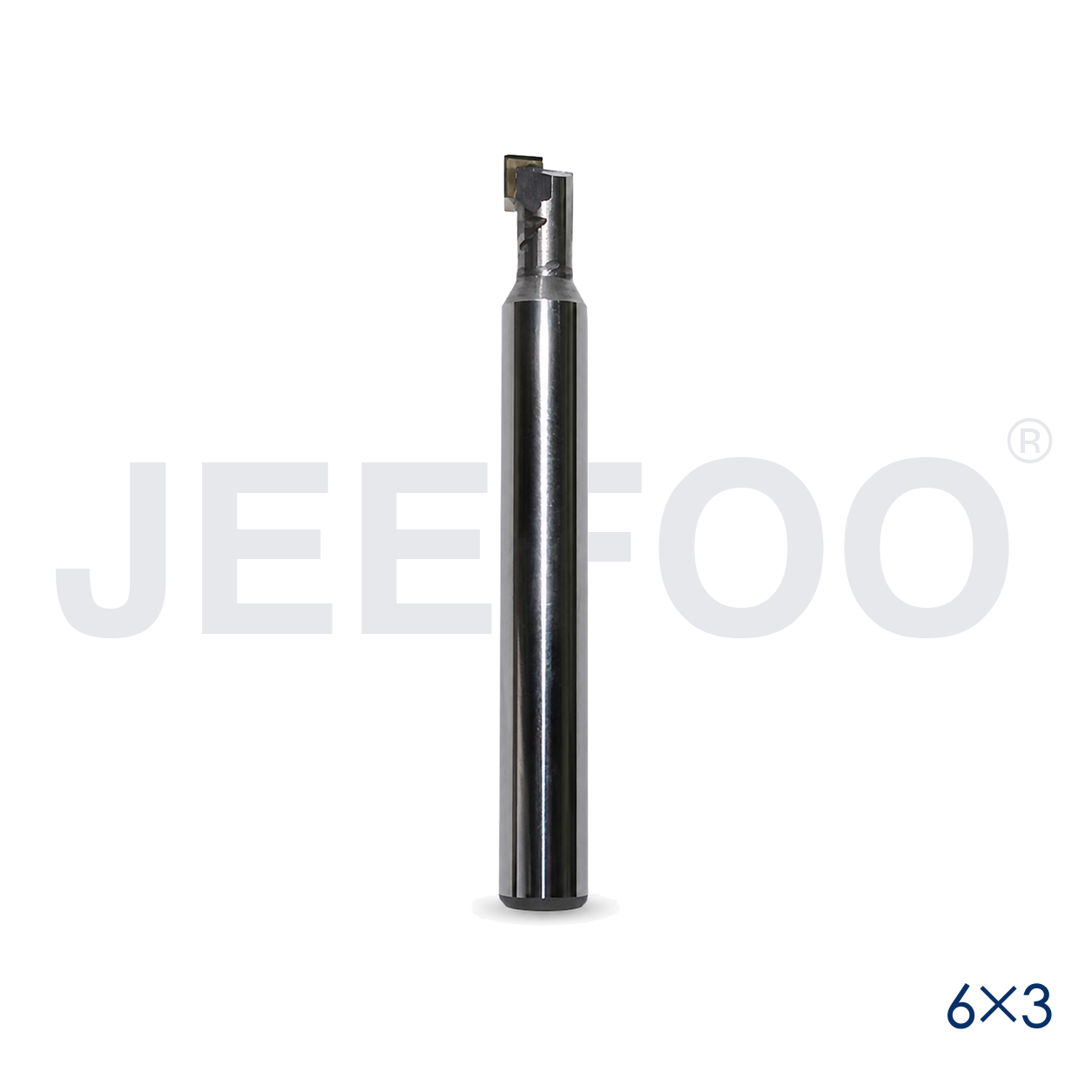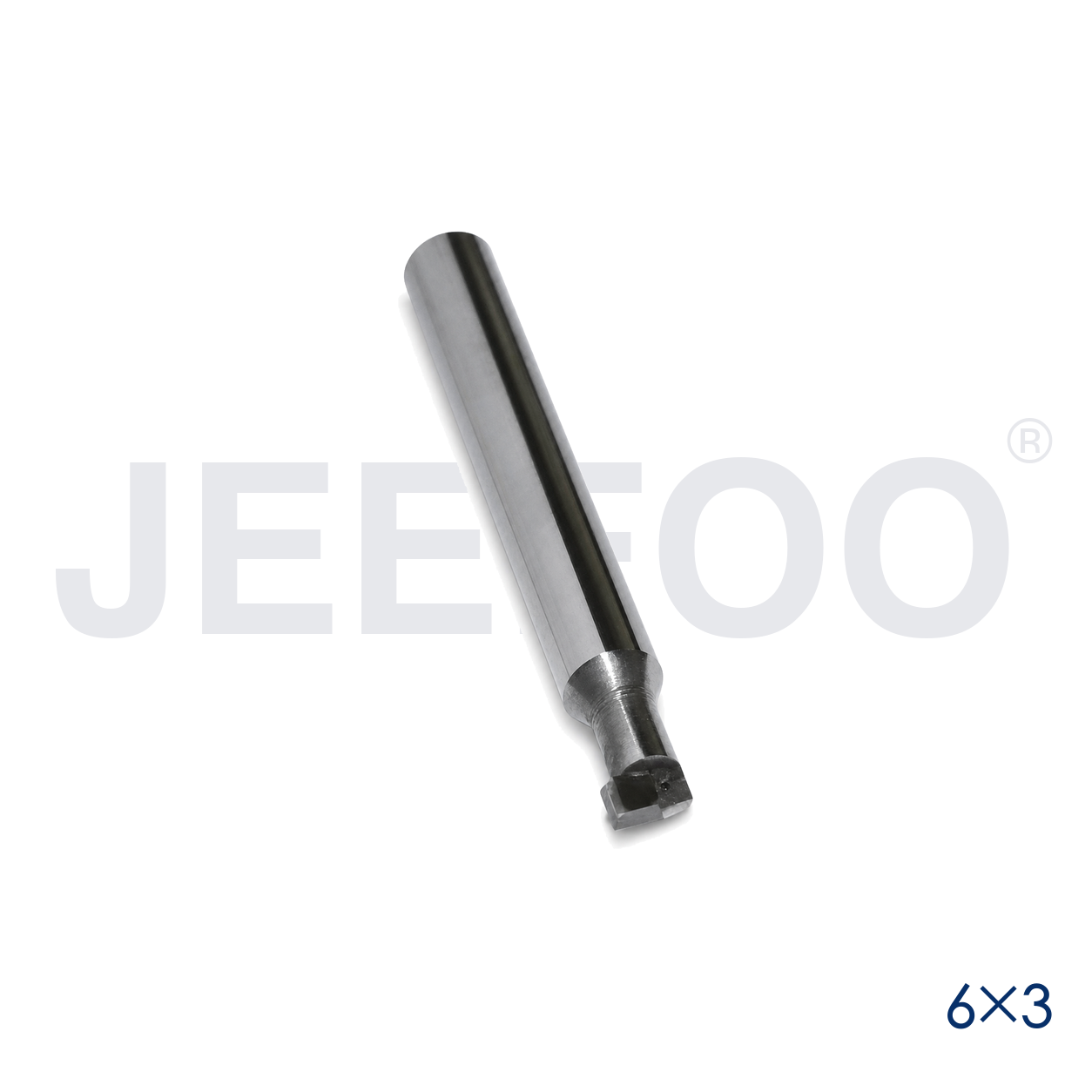
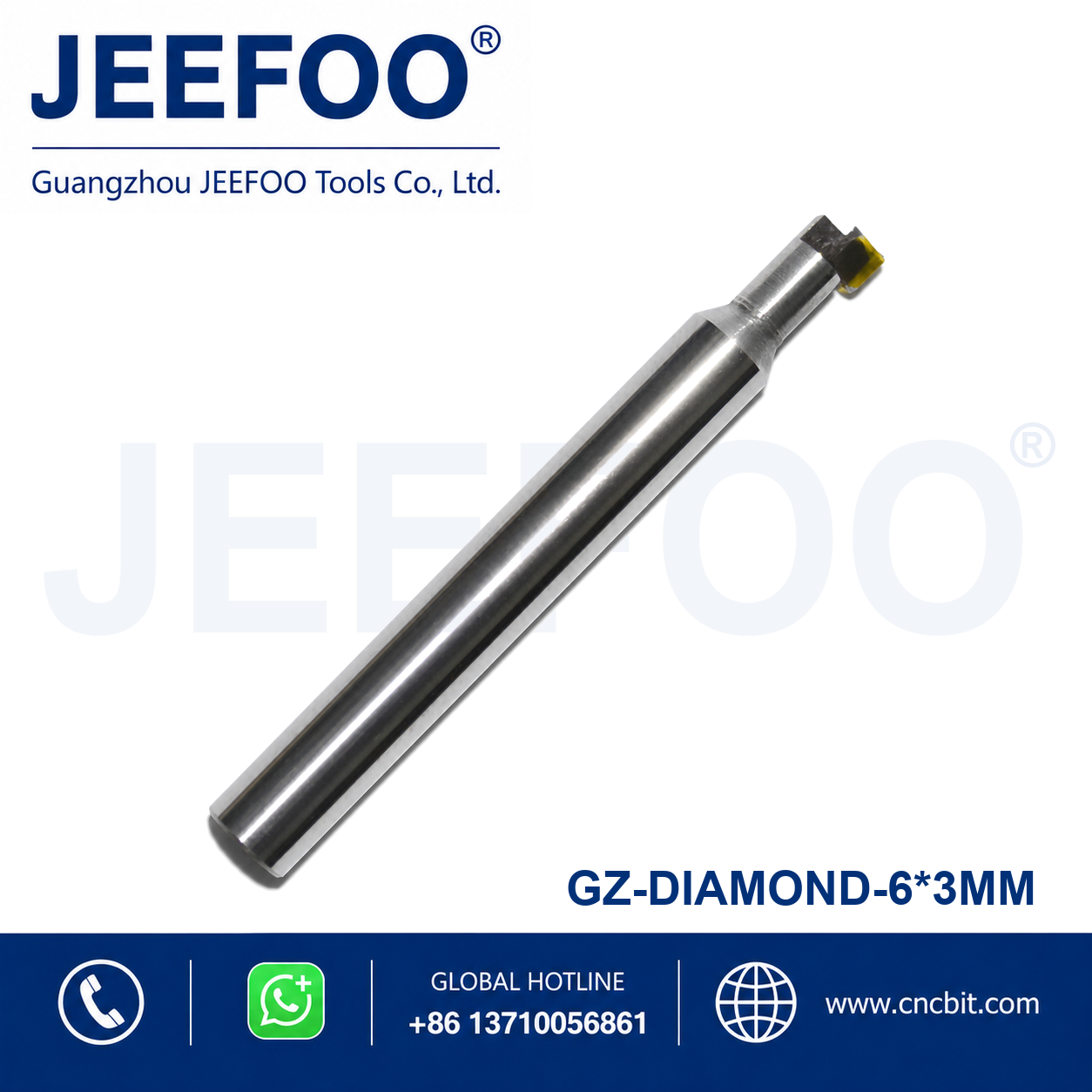
6×3 PCD Bottom Milling Cutter Guide
A 6×3 PCD bottom milling cutter is designed for shallow facing, pocket-bottom finishing and high-gloss machining on acrylic or organic glass. The polycrystalline diamond cutting edge provides high wear resistance and can support a bright surface when spindle runout, machine rigidity, material support and cutting parameters are carefully controlled.
Mirror-Finish Applications
This tool is intended for finishing rather than aggressive roughing. Typical work includes flattening shallow pocket bottoms, creating smooth optical-style surfaces and removing a controlled amount of material after a separate roughing operation. Confirm the exact PCD geometry and approved material range before use.
- Acrylic sheet bottom facing
- Shallow pocket finishing
- High-gloss organic-glass components
- Repeat-production parts requiring low visible tool marks
Understanding the 6×3 Specification
The 6 mm and 3 mm values identify the principal dimensions used to select the cutter. Verify the product drawing for shank diameter, cutting width, usable depth, overall length and cutting direction. The programmed stepover and finishing allowance should match the actual cutting geometry rather than the title alone.
CNC Setup for a Bright Acrylic Surface
Clean the collet, cutter and acrylic surface. Confirm low spindle runout and clamp enough of the shank for stable rotation. Support the workpiece across the full machining area so it cannot flex. Leveling and accurate Z-axis zero are important because an uneven finishing allowance can leave visible bands.
Rough the pocket with a suitable tool, leaving a small uniform allowance for the PCD finishing pass. Begin with a conservative stepover, depth and feed, then inspect gloss, flatness, chips, cutting sound and spindle load. Use clean air or another approved chip-control method so removed acrylic is not dragged across the finished surface.
Avoid sudden plunges, impact and excessive side engagement. Do not touch the diamond edge with hard objects. If the surface shows lines or haze, check runout, workpiece support, tool condition, chip recutting, stepover and allowance before changing speed or feed.
JEEFOO PCD Tools from Guangzhou, China
JEEFOO supplies PCD and carbide CNC tools from Guangzhou, China for distributors, manufacturers and workshop users. Share the acrylic grade, pocket dimensions, target gloss, machine type and production volume when requesting a 6×3 PCD bottom milling cutter. Explore more products on the JEEFOO cutting tools website.
For general information on the cutting material, see the reference on polycrystalline diamond. Record the verified tool length, finishing allowance, stepover, feed, speed and chip-control method with the CNC program.
Production and Inspection Checks
Make a short test pass in the actual acrylic before full production. Inspect the surface under consistent lighting, measure flatness and confirm that no chips are trapped under the cutter path. Store an approved sample and parameter record with the job. Replace a damaged tool rather than compensating with unsafe settings.
Frequently Asked Questions
Is this tool intended for roughing?
It is primarily a finishing cutter. Remove most material with a suitable roughing tool and leave a small, uniform allowance for the final pass.
What affects the mirror finish?
Runout, workpiece flatness, cutter condition, stepover, finishing allowance and chip recutting all influence gloss and visible tool marks.
How should PCD be handled?
Protect the cutting edge from impact, keep it clean and use approved storage. Inspect the 6×3 PCD bottom milling cutter before each production batch.
Product Description
This 6×3 diamond PCD bottom milling cutter is designed for high-gloss bottom finishing on acrylic and organic glass. The diamond cutting edge supports a bright, smooth machined surface and helps reduce visible tool marks when the machine, material support and cutting parameters are correctly set.
The cutter is intended for bottom facing, shallow pocket finishing and precision flattening where optical appearance is important. PCD offers excellent wear resistance in abrasive plastics, making the tool suitable for repeat production. Clean workholding, controlled runout and effective chip removal are essential for the best mirror-finish result.
Recommended Applications
- Mirror-finish bottom machining on acrylic sheets
- Shallow pocket finishing and precision facing
- High-gloss processing of organic glass components