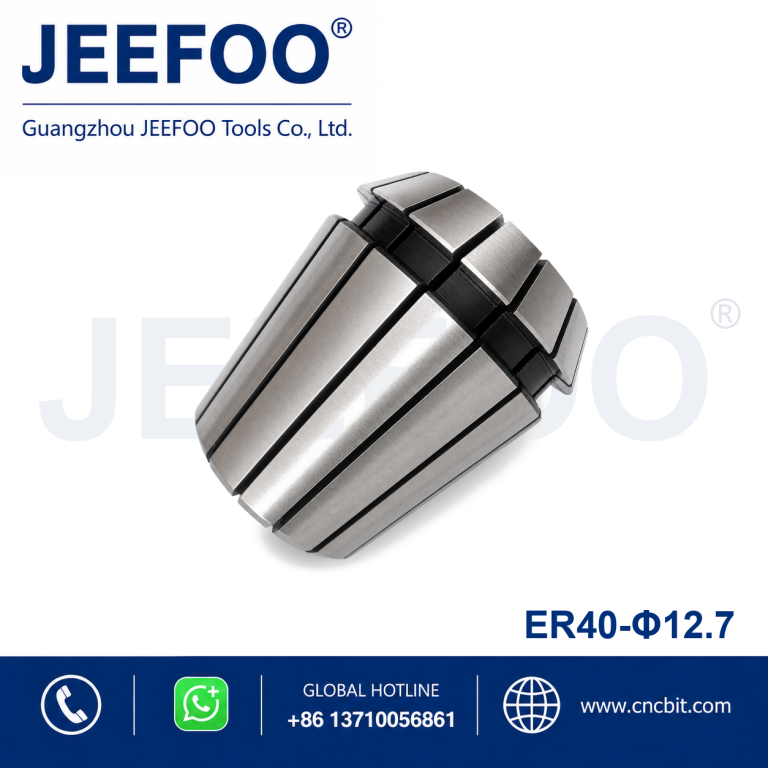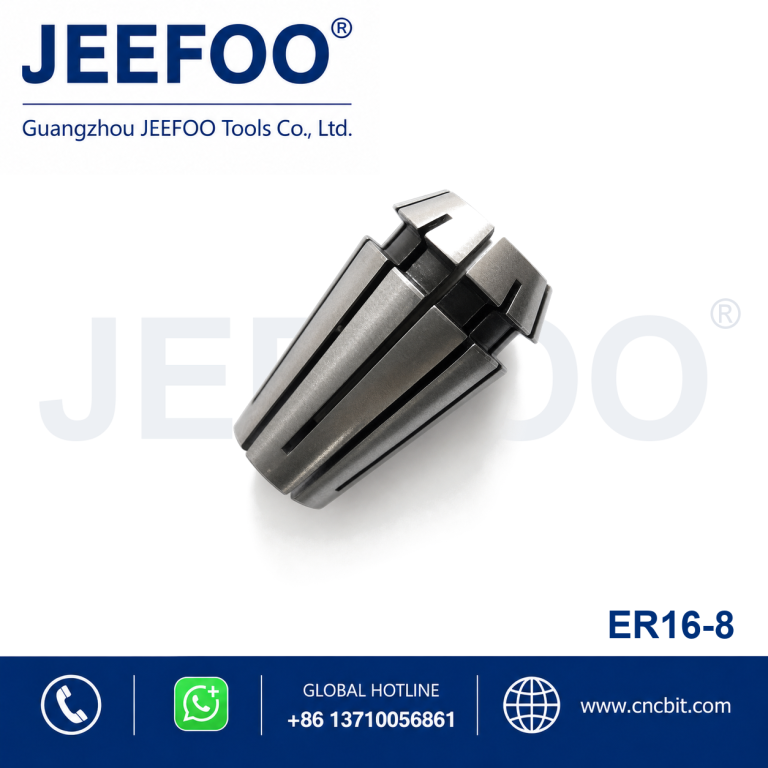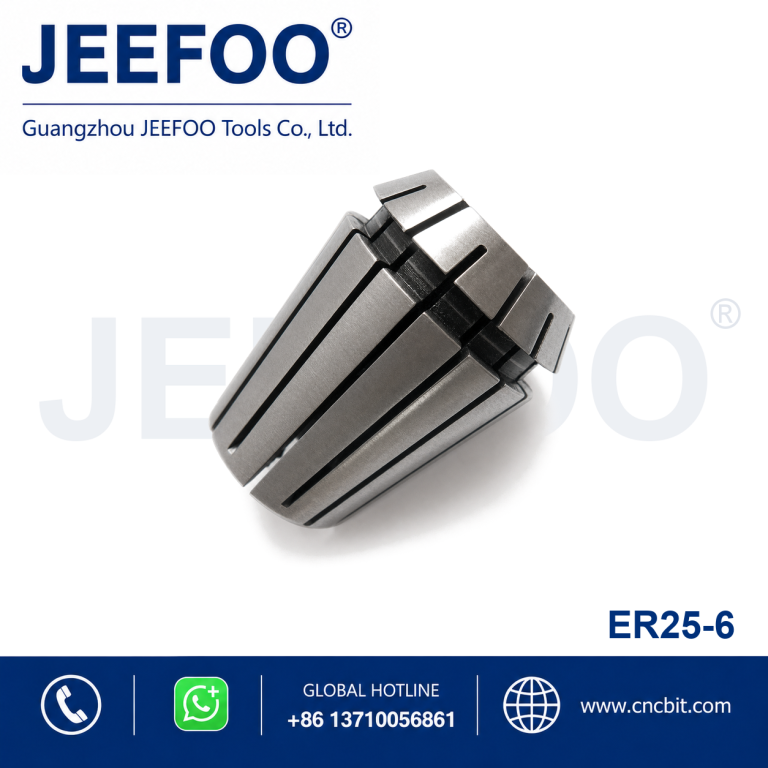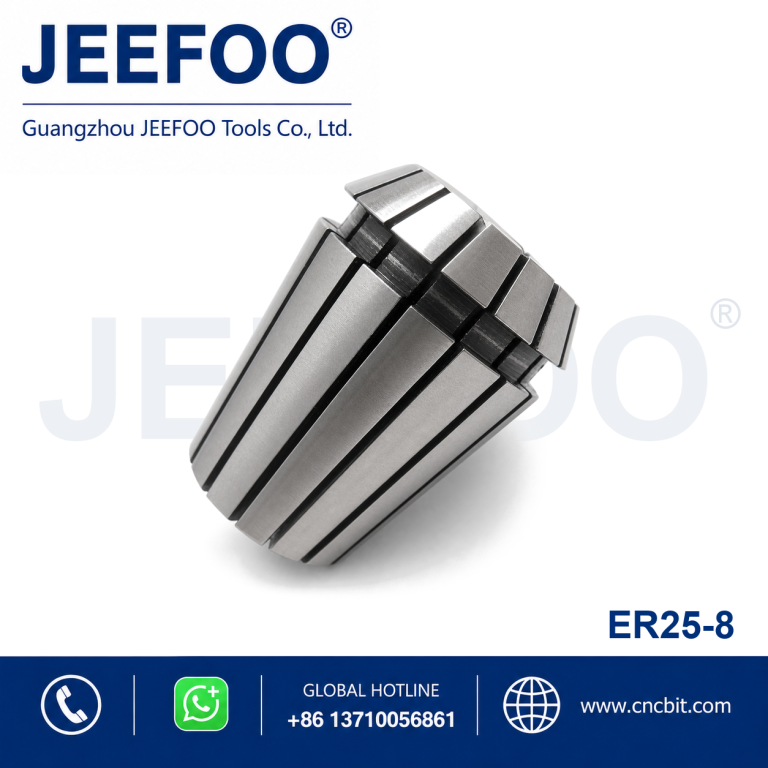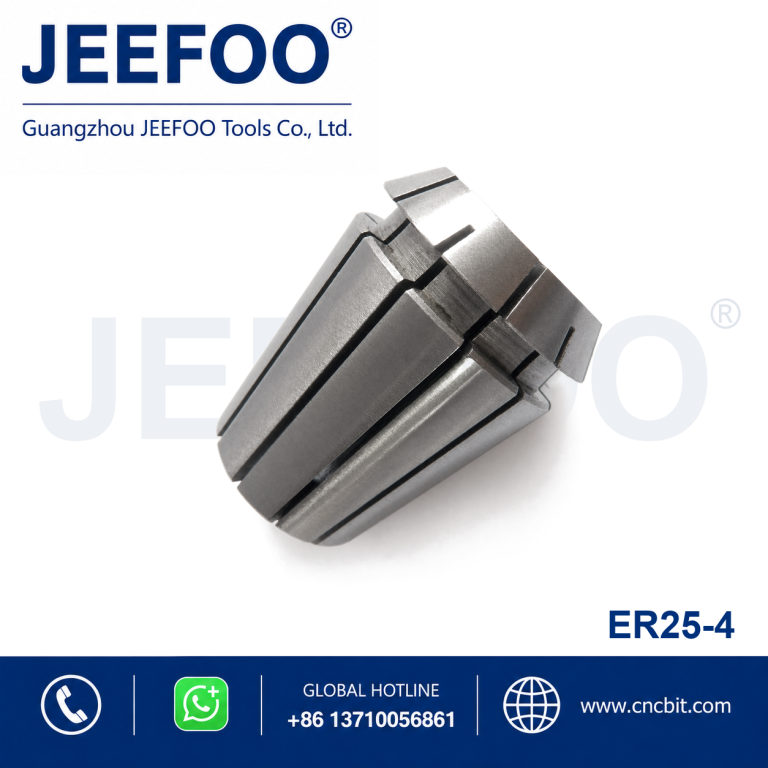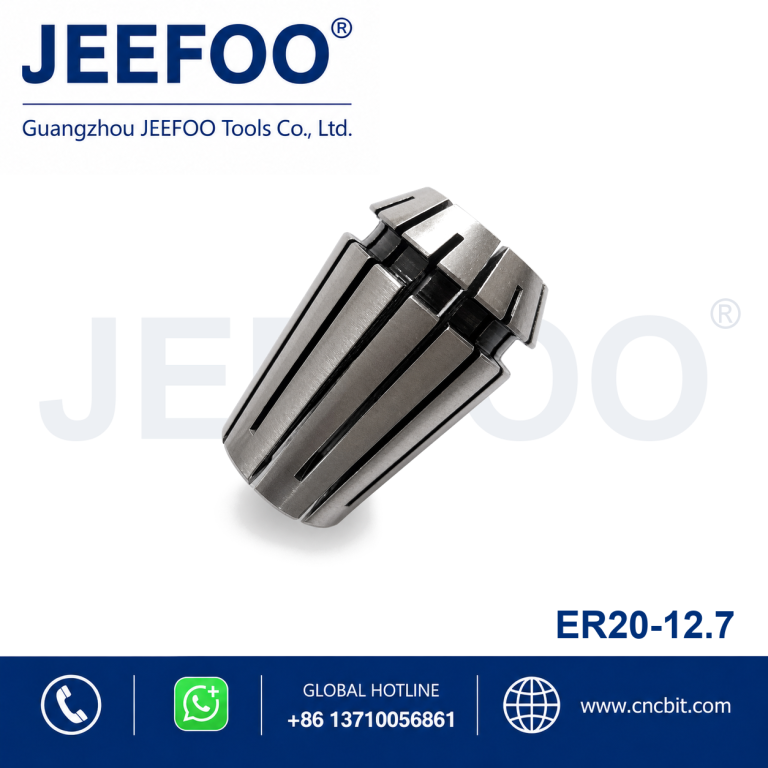
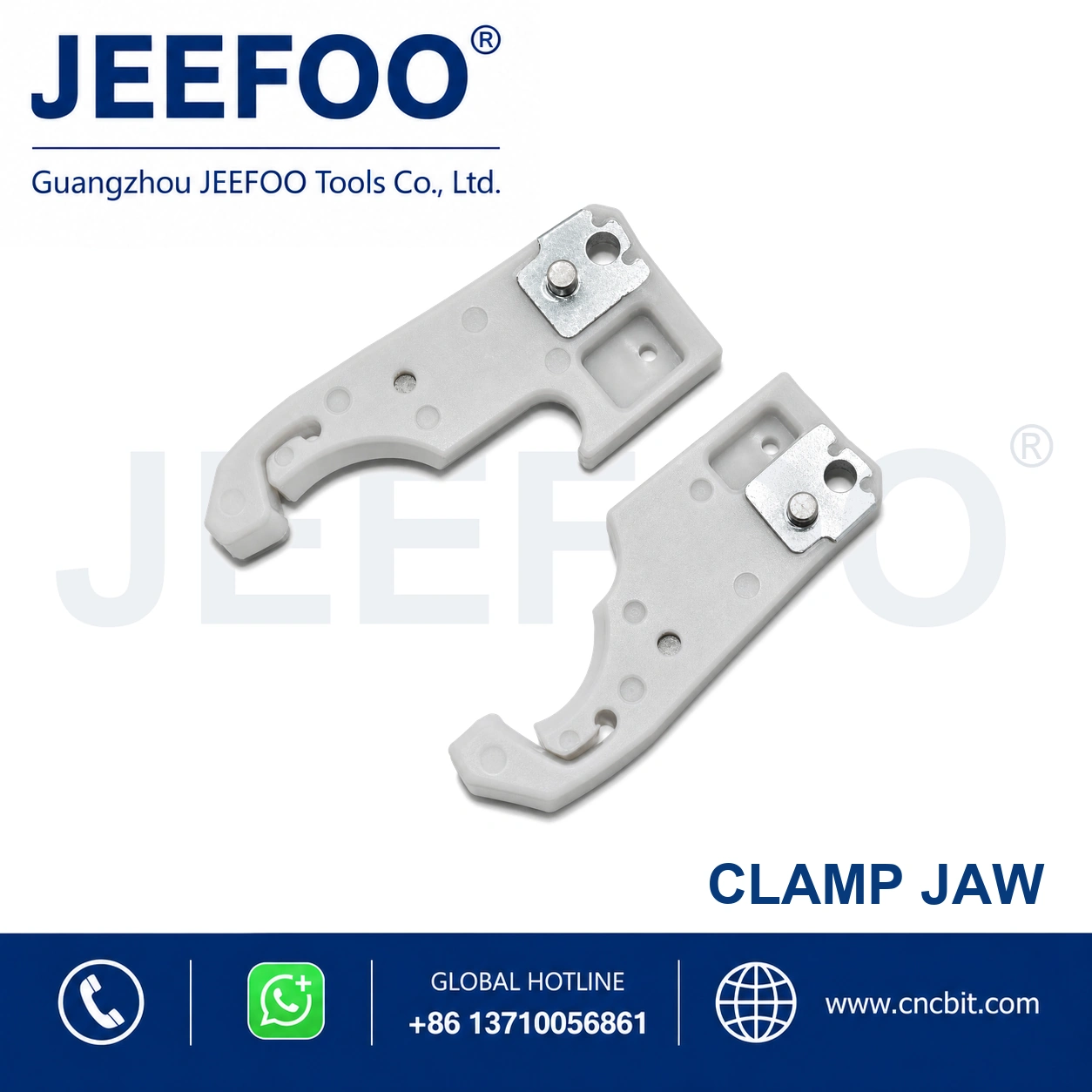
High-Speed Machine Tool Holder Clamping Jaw is designed for reliable CNC tool holding and accessory installation. Its accurately machined structure supports stable clamping, convenient assembly and dependable workshop use.
High-Speed Machine Tool Holder Features
- Precision-machined contact surfaces support secure installation and consistent positioning.
- Durable metal construction is suitable for routine CNC machining and workshop service.
- Compatible dimensions help simplify replacement, maintenance and tool setup.
- Designed for stable clamping when correctly matched with the spindle, holder and cutting-tool shank.
Applications and Selection Guidance
This high-speed machine tool holder is suitable for CNC routers, engraving machines and compatible tool-holding systems. Confirm the interface series, outside diameter, bore or thread specification before ordering.
Product Description
- Product: High-Speed Machine Tool Holder.
- Specification: Clamping Jaw.
- Application: CNC tool holding and machine-tool accessory replacement.
- Selection: Match the holder series, diameter and interface dimensions.
- Customization: Contact us for compatible sizes and non-standard requirements.
Size: Clamping Jaw
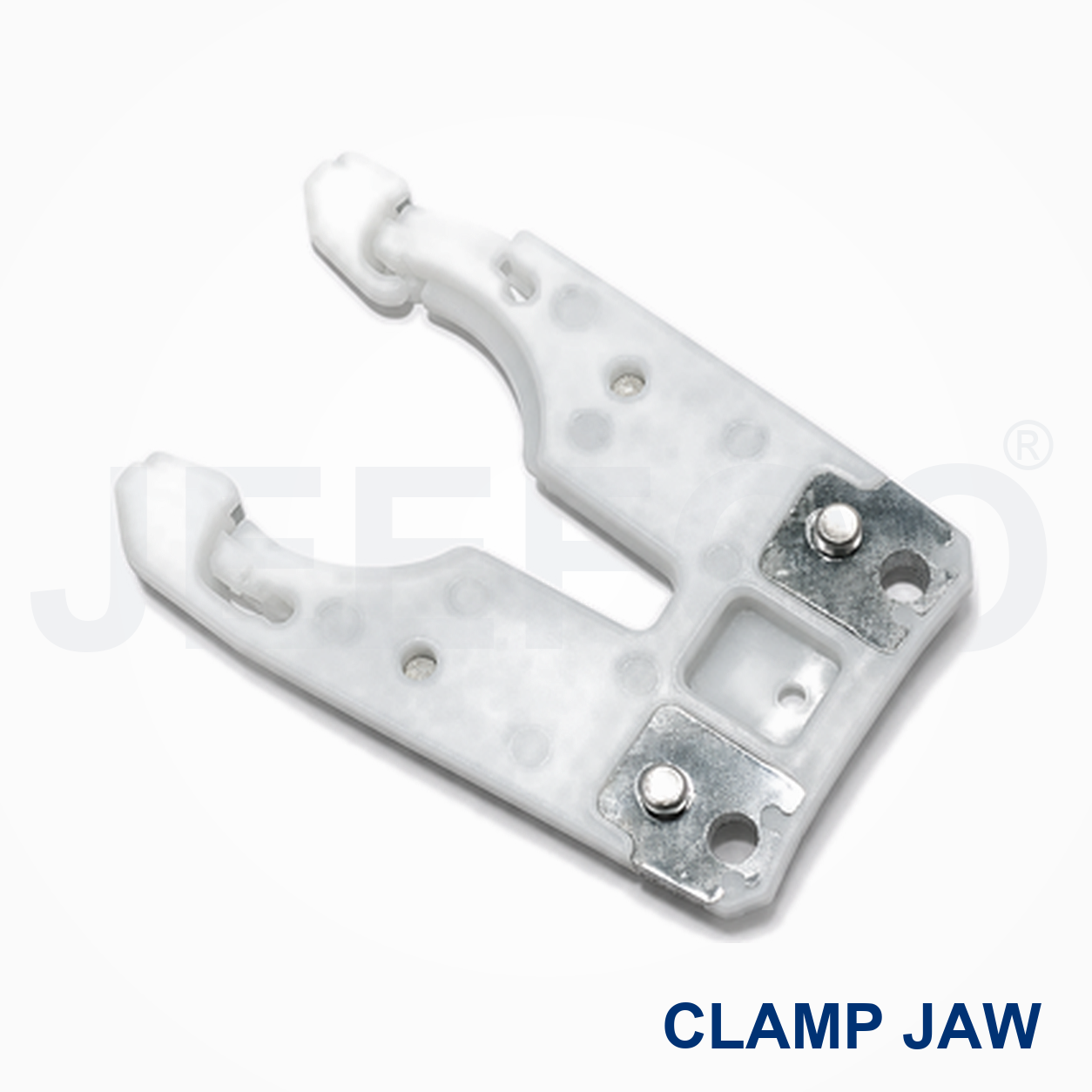
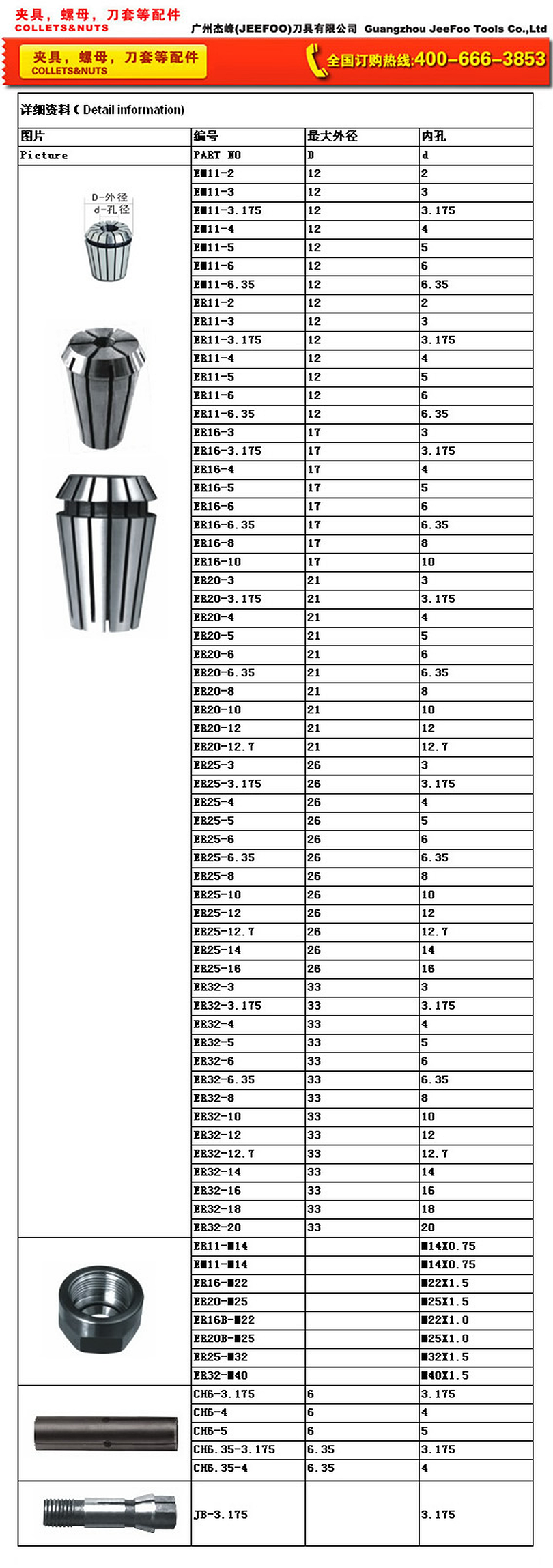
precision clamping jaw High-Speed Machine Tool Holder Guide
A high-speed machine tool holder provides open chip space for CNC routing and milling CNC routers, engraving machines and compatible spindle systems. This precision clamping jaw carbide cutter is designed for accurate cutter clamping, stable rotation and repeatable tool changes. The single flute carries chips away from the cutting zone, reducing recutting and heat when feed, spindle speed and extraction are correctly matched.
Applications and Material Use
The tool can be considered for profiles, slots, pockets, signs, fixtures and prototype components. Its dimensions support secure engagement without excessive tool projection. Suitability depends on material grade, machine rigidity, spindle power, workholding and the desired finish. A short test cut should confirm chip formation before full production.
- CNC router and engraving-tool clamping
- Replacement jaws, collets and tool-holder service
- High-speed spindle maintenance and setup
- Templates, prototypes and small production runs
CNC Setup and Chip Control
Clean the collet, check spindle runout and clamp enough of the shank for stable rotation without covering the flute. Minimize unnecessary projection and secure the material. Begin with a conservative entry, feed rate and step-down, then adjust after inspecting chip shape, cutting sound, spindle load and edge quality.
Keep the holder, jaw and cutter shank clean and free from chips. Contamination or uneven tightening can increase runout, vibration and heat. If the cutter chatters, burns the edge or loads with material, stop the job and review workholding, projection, feed, spindle speed and depth. Avoid dwelling in one place and replace a dull cutting edge before heat or vibration damages the workpiece.
Selecting a High-Speed Machine Tool Holder
Before ordering a high-speed machine tool holder, verify shank diameter, cutting diameter, flute length, overall length and cutting direction. Check that slot width, corner radius and maximum depth match the precision clamping jaw specification. Material type, desired finish and CNC machine rigidity also influence selection.
JEEFOO Carbide Tools from Guangzhou, China
JEEFOO supplies carbide CNC router bits and end mills from Guangzhou, China for distributors, manufacturers and workshop users. Sharing the material, machine type, collet size and required depth helps the team recommend a suitable cutter. Explore more product information on the JEEFOO cutting tools website.
For general background on computer-controlled machining, see the reference about numerical control. Record successful feeds, speeds, step-down and tool numbers with the job file so repeat production begins from verified parameters.
For repeat jobs, inspect the collet and cutter before every setup. Store the verified material, feed, speed, depth and chip-control method with the CNC program. Consistent records help operators reproduce the cut, recognize wear early and avoid unnecessary trial passes.
Frequently Asked Questions
What does the precision clamping jaw specification mean?
It identifies the main cutter dimensions. Confirm the complete product drawing because diameter, flute length and overall-length conventions can vary between tools.
Which materials can this tool machine?
It is intended for CNC routers, engraving machines and compatible spindle systems when tool geometry and cutting parameters match the application. Secure workholding and reliable chip evacuation are essential.
How can tool life be improved?
Minimize runout and stick-out, keep chips clear and use suitable feeds and depths. Correctly applied high-speed machine tool holder geometry can produce consistent edges and predictable tool life.
Production and Ordering Checks
Make a short test cut in the actual material before full production. Inspect chip formation, surface finish, cutting sound and tool loading. Verify all dimensions and the required cutting depth in the product drawing. These checks reduce scrap and make replacement orders more reliable.